

Indigenous online casinos represent a revolutionary intersection of tribal sovereignty and digital gaming, where Native American tribes leverage centuries-old jurisdictional rights to operate internet gambling platforms. These casinos function under tribal gaming compacts and federal laws like the Indian Gaming Regulatory Act, allowing federally recognized tribes to establish legitimate online gambling operations where players can play roulette with bitcoin and other games, competing with traditional offshore platforms. Unlike foreign-licensed operators, Indigenous platforms operate within a unique legal framework grounded in tribal self-governance.
The emergence of Indigenous online casinos addresses a critical gap in the American gambling market. As states slowly legalize online gaming through patchwork legislation, tribal nations possess inherent authority to regulate gambling on their lands—a right affirmed through decades of legal precedent. This sovereignty extends into the digital realm, positioning tribes to establish secure, regulated online gambling environments that serve both reservation communities and broader markets.
Understanding these platforms requires recognizing their dual nature: they’re legitimate business ventures generating tribal revenue while simultaneously asserting constitutional rights to self-determination. Players seeking trustworthy online gambling alternatives increasingly turn to Indigenous casinos because they combine regulatory oversight with technological innovation. These operations must navigate complex federal-state-tribal relationships, maintain rigorous licensing standards, and implement robust player protection measures.
The distinction matters significantly for consumers evaluating online gambling options. Indigenous casinos offer transparent licensing, verifiable regulatory compliance, and revenue models that support tribal economic development rather than anonymous offshore corporations. This foundation transforms them from mere gambling platforms into instruments of economic sovereignty and cultural preservation.
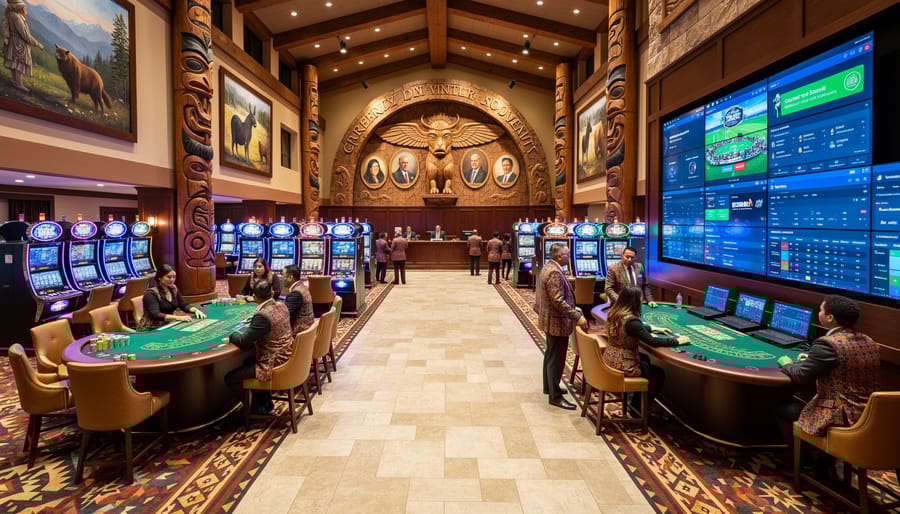
Indigenous online casinos operate under a fundamentally different licensing structure compared to conventional online gaming platforms. Tribal gaming licenses stem from sovereign authority granted through the Indian Gaming Regulatory Act of 1988, which recognizes tribes’ right to regulate gaming operations on their lands. This sovereignty-based framework contrasts sharply with traditional licensing models.
Traditional online casinos typically obtain licenses from established jurisdictions like Malta, Curacao, or Gibraltar, or operate under state-specific regulations in places where online gambling is legalized. These licenses require operators to comply with the regulatory standards of the issuing jurisdiction, often involving strict financial auditing, game fairness testing, and consumer protection measures.
Tribal licenses, however, exist within a unique legal landscape where federal, state, and tribal laws intersect. Tribes negotiate gaming compacts with state governments, creating a regulatory framework specific to each agreement. This gives tribal casinos certain advantages, including potential tax benefits and streamlined approval processes within their jurisdictions. The National Indian Gaming Commission provides federal oversight while respecting tribal sovereignty.
The key distinction lies in jurisdictional authority. While traditional offshore licenses operate under foreign regulatory bodies and state licenses under domestic gaming commissions, tribal licenses derive legitimacy from inherent governmental powers. This sovereignty means tribes establish their own gaming commissions and regulatory standards, though these must still comply with IGRA provisions and compact terms. For players, this creates a complex question of legal jurisdiction and consumer protection that differs significantly from traditional online gambling venues.
Native American tribal sovereignty establishes a distinctive legal framework that enables tribes to operate online gambling platforms with considerable autonomy. Rooted in treaties and federal recognition, this sovereignty grants federally recognized tribes the authority to regulate gaming activities on their lands, including digital extensions of their casino operations. This unique status stems from tribes’ classification as domestic dependent nations, allowing them to establish their own gaming regulatory bodies independent of state gambling laws.
The Indian Gaming Regulatory Act of 1988 provides the federal foundation for tribal gaming operations, though its application to online gambling remains a developing area of law. Tribes can leverage their sovereignty to create online casinos that operate under tribal gaming commissions rather than state regulatory agencies. This regulatory independence allows tribes to set their own licensing standards, taxation policies, and operational guidelines, provided they maintain federal compliance and gaming compacts with states where applicable.
Indigenous sovereignty and identity play crucial roles in how tribes approach online gambling ventures, often balancing economic development with cultural preservation. However, jurisdictional complexities arise when servers are located on tribal land but players access games from various states. Some tribes have successfully navigated these challenges by partnering with established gaming technology providers and establishing robust regulatory frameworks that satisfy federal requirements while asserting their sovereign rights to operate digital gaming platforms.
The Indian Gaming Regulatory Act of 1988 represents a landmark piece of federal legislation that established the framework for gaming operations on tribal lands. IGRA divides gaming into three distinct classes: Class I includes traditional tribal ceremonies and social games with minimal prizes, Class II covers bingo and similar games, and Class III encompasses casino-style gaming like slot machines, blackjack, and roulette.
While IGRA has successfully governed land-based tribal casinos for over three decades, its application to online gaming remains legally ambiguous. The Act was drafted before the internet era and doesn’t explicitly address digital platforms. This creates a significant gray area: IGRA grants tribes the right to conduct gaming on “Indian lands,” but whether servers, players, or digital transactions constitute activity occurring on tribal territory is hotly debated.
Federal courts have generally interpreted IGRA conservatively regarding online operations. The location of the player, rather than the server, often determines jurisdiction for regulatory purposes. This interpretation means that even if a tribe hosts casino servers on sovereign land, accepting wagers from players in other states could violate federal wire transfer laws or other jurisdictions’ gaming regulations.
Some tribes have attempted to launch online casinos by arguing their operations fall within IGRA’s protections, but these ventures have faced legal challenges and banking obstacles. The Tribal-State compacts required for Class III gaming typically address only physical facilities, leaving digital gaming in regulatory limbo without clear pathways for compliance or expansion.
The jurisdictional landscape surrounding Indigenous online casinos involves intricate legal relationships between tribal, state, and federal governments. Under the Indian Gaming Regulatory Act of 1988, tribes possess the sovereign authority to conduct gaming operations on their lands, but the extent of this authority in the digital realm remains contested.
Federal law recognizes tribal sovereignty and the right to self-governance, including gaming enterprises. However, the IGRA was written before the internet era, creating ambiguity about whether online gaming servers located on tribal land constitute gaming “on Indian lands” when players access them from anywhere. The Department of Interior and various federal courts have offered conflicting interpretations over the years.
State governments frequently challenge tribal online gaming operations, arguing that games accessed by players physically located within state borders fall under state jurisdiction. Several states have attempted to block tribal online casinos or require compliance with state gaming regulations. These disputes often hinge on where the actual gaming transaction occurs—at the server location or the player’s location.
Tribal nations maintain that their sovereignty extends to digital operations based on their lands, particularly when servers and gaming infrastructure physically reside within reservation boundaries. Some tribes have established regulatory frameworks and licensing procedures independent of state oversight.
This three-way jurisdictional tension continues generating litigation and regulatory uncertainty. Recent cases have produced mixed results, with some courts supporting tribal authority while others have sided with state interests, leaving the ultimate boundaries of tribal online gaming jurisdiction unresolved.
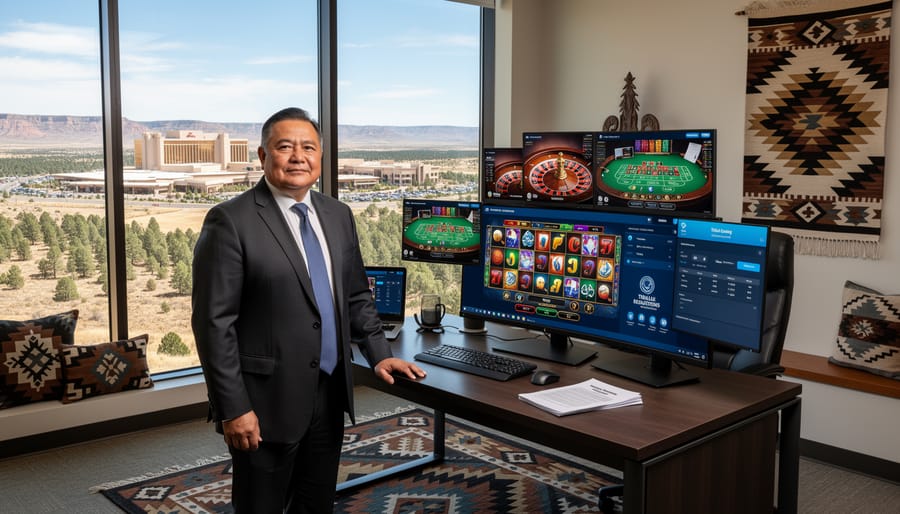
Several Indigenous nations have established online gaming platforms that operate under tribal sovereignty and regulatory frameworks. These platforms represent a growing sector within the broader online casino industry, though they remain relatively limited compared to commercial operators.
The Kahnawake Gaming Commission, established in 1996 by the Mohawk Territory of Kahnawake in Quebec, stands as one of the most prominent tribal gaming regulators internationally. While the commission itself doesn’t operate casinos, it licenses numerous online gaming sites that serve players worldwide. Platforms operating under Kahnawake licenses benefit from the territory’s regulatory oversight while maintaining competitive offerings in poker, sports betting, and casino games.
In the United States, tribal online gaming faces more restrictions due to state-specific regulations. The Pokagon Band of Potawatomi Indians operates an online casino and sportsbook accessible to players within Michigan state borders. Similarly, several other Michigan tribes have launched digital platforms following the state’s legalization of online gaming in 2021.
Connecticut represents another significant market where the Mashantucket Pequot Tribal Nation and Mohegan Tribe operate online platforms. These sites offer comprehensive casino gaming and sports wagering to Connecticut residents through partnerships with established gaming technology providers.
Geographic accessibility varies considerably based on jurisdictional agreements and regulatory frameworks. Most tribal online platforms operating within the United States restrict access to specific state boundaries where legal frameworks permit such operations. International platforms licensed by Indigenous regulators like Kahnawake may accept players from multiple countries, though restrictions apply based on individual national gambling laws.
These platforms typically feature modern gaming interfaces, secure payment processing, responsible gaming tools, and customer support services comparable to commercial online casinos. The revenue generated supports tribal government operations, community development programs, and economic diversification initiatives.
Several Indigenous tribes have entered the online gambling space through strategic partnerships with established gaming operators, creating hybrid business models that leverage both tribal sovereignty and industry expertise. These collaborations typically involve tribes providing the legal framework and licensing authority while gaming companies contribute technological infrastructure, marketing capabilities, and operational know-how.
The partnership model offers distinct advantages for both parties. Tribes gain access to sophisticated platforms, payment processing systems, and customer acquisition strategies without needing to build these capabilities from scratch. Gaming companies, in turn, benefit from tribal gaming licenses that may provide regulatory advantages or access to markets where traditional licenses are difficult to obtain.
Revenue-sharing arrangements vary considerably across partnerships. Some agreements allocate a percentage of gross gaming revenue to the tribe, while others involve fixed licensing fees or tiered payment structures based on performance metrics. These financial terms reflect negotiations around risk-sharing, operational responsibilities, and the value each partner brings to the venture.
However, these partnerships face scrutiny regarding authenticity and tribal benefit. Critics question whether some arrangements truly serve tribal economic development or primarily benefit non-Native companies seeking regulatory advantages. Transparency concerns arise when marketing emphasizes Indigenous connections while day-to-day operations remain entirely under corporate control. Successful partnerships typically demonstrate meaningful tribal involvement in governance, substantial economic returns to tribal communities, and genuine commitment to responsible gaming practices that protect both tribal and non-tribal players.
Indigenous online casinos operate under tribal gaming commissions that establish their own regulatory frameworks, creating a distinct oversight structure from state or federal gaming authorities. These commissions implement player protection standards including age verification, responsible gaming tools, and secure payment processing to safeguard participants. Many tribal regulators require operators to maintain game fairness through independent testing laboratories and regular audits of random number generators.
Dispute resolution mechanisms vary between jurisdictions, with some tribal gaming commissions offering formal complaint procedures while others rely on internal casino protocols. Players should verify the specific regulatory body overseeing their chosen platform and understand available recourse options before participating. Transparency in licensing information and complaint processes serves as an indicator of legitimate operations.
The emphasis on player safety also connects to broader priorities around Indigenous health and welfare, with responsible gaming measures designed to prevent problem gambling. However, regulatory standards can differ significantly between tribal authorities, making it essential for players to research specific jurisdictions and assess whether protections meet their expectations before engaging with these platforms.
Indigenous online casinos often feature unique gaming offerings that reflect their cultural heritage and operational autonomy. Many platforms incorporate traditional tribal themes into their slot machines and gaming interfaces, creating an experience that honors Indigenous culture while providing modern entertainment. Some casinos develop exclusive games based on tribal legends, artwork, and historical narratives that aren’t available on conventional gambling platforms.
These platforms may also offer different game varieties based on their specific regulatory frameworks. Since many operate under tribal sovereignty rather than state gaming commissions, they can sometimes provide games or betting structures that differ from mainstream online casinos. Table game variations, unique poker formats, and specialized tournaments are common distinguishing features.
Additionally, Indigenous casinos frequently emphasize community-focused promotions and loyalty programs. Rather than solely focusing on individual player rewards, some platforms incorporate charitable giving components where a portion of gaming revenue supports tribal education, healthcare, or cultural preservation initiatives. This community-oriented approach creates a distinct value proposition for players interested in supporting Indigenous economic development while enjoying online gaming entertainment.
The economic impact of Indigenous online casinos extends far beyond gaming revenue, serving as a crucial mechanism for tribal sovereignty and community development. When operated successfully, these digital platforms generate substantial income streams that directly benefit tribal nations and their members, creating opportunities that may not exist in geographically isolated reservation communities.
Revenue from Indigenous online casinos typically flows into tribal general funds, where it supports essential services including healthcare facilities, educational programs, elder care, and infrastructure improvements. Many tribes allocate casino profits toward supporting Indigenous communities through scholarships that enable youth to pursue higher education, housing assistance programs that address critical shortages, and small business grants that foster entrepreneurial growth within tribal economies.
Employment opportunities represent another significant benefit, as online casino operations require diverse skill sets ranging from customer service representatives and software developers to compliance officers and marketing professionals. These positions often provide competitive wages and benefits while allowing tribal members to work within their communities, reducing the need for migration to urban centers and helping preserve cultural connections.
The digital nature of online casinos also enables smaller tribes with limited land resources to participate in gaming revenues that were previously accessible only to tribes with prime real estate for physical casino developments. This democratization of gaming opportunities helps level the economic playing field among Indigenous nations.
Furthermore, gaming revenues support Indigenous cultural institutions, language revitalization programs, and traditional arts initiatives. These investments help preserve heritage while building economic resilience for future generations.
However, success varies considerably among tribal gaming operations. Factors including regulatory frameworks, market competition, technological infrastructure, and management expertise all influence profitability. Some communities experience transformative economic growth, while others struggle with sustainability challenges, highlighting the importance of strategic planning and responsible governance in maximizing the benefits of Indigenous online casino ventures.

Indigenous online casinos face significant federal legal challenges when their services cross state boundaries. The Interstate Wire Act of 1961, originally designed to combat organized crime, prohibits the transmission of betting information across state lines using wire communications. This creates a complex legal landscape for tribal gaming operations attempting to expand their digital presence.
The Department of Justice has offered varying interpretations of the Wire Act over the years, particularly regarding whether it applies exclusively to sports betting or encompasses all forms of online gambling. This uncertainty leaves tribal casinos in a precarious position when considering interstate operations. Even though tribes possess sovereign authority to regulate gaming on their lands, federal law supersedes tribal jurisdiction when activities extend beyond reservation boundaries.
Most tribal online casinos currently limit their services to players physically located within their state or on tribal lands to avoid Wire Act violations. Geographic verification technology and IP address tracking help enforce these restrictions. However, this geographical limitation significantly reduces the potential customer base and revenue opportunities compared to unrestricted online platforms.
The lack of clear federal legislation specifically addressing tribal online gaming compounds these challenges. Until Congress provides definitive guidance reconciling tribal sovereignty with interstate commerce regulations, Indigenous online casinos must navigate this uncertain legal terrain cautiously.
Indigenous online casinos face significant competitive pressures when entering the digital gaming market. Established international operators already command substantial market share, backed by sophisticated technology platforms, extensive game libraries, and multi-million dollar marketing budgets. These legacy operators benefit from years of brand recognition and player trust, making market penetration challenging for newcomers.
The technical requirements for launching a competitive platform are substantial. Indigenous operators must invest in robust gaming software, secure payment processing systems, random number generation certification, and comprehensive cybersecurity measures. Server infrastructure capable of handling concurrent users, mobile optimization, and seamless user interfaces require ongoing technical expertise and financial resources.
Licensing fees, regulatory compliance costs, and game provider partnerships add further financial burdens. Many Indigenous communities, despite their sovereign authority, may lack the initial capital necessary for such investments. The platform must also integrate player verification systems, responsible gambling tools, and anti-fraud mechanisms to meet modern standards.
Additionally, competing for player attention requires strategic marketing investments and competitive bonus structures. Indigenous casinos must differentiate themselves through unique value propositions, whether emphasizing cultural authenticity, community benefit programs, or superior customer service, to carve out their niche in this crowded marketplace.
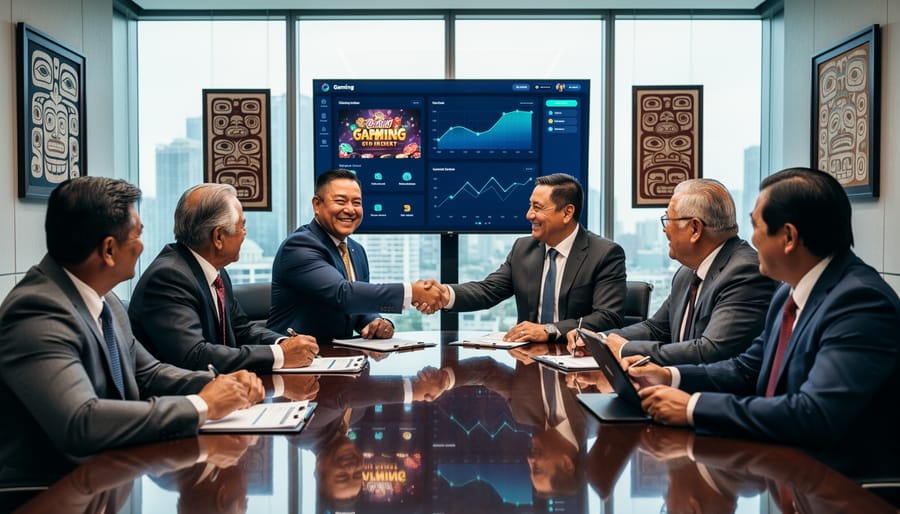
The landscape for Indigenous online gambling stands at a critical juncture, with several factors poised to shape its trajectory over the coming years. As more tribes recognize the revenue potential of digital gaming platforms, we can expect significant expansion in the number of tribal online casinos entering the market. However, this growth will largely depend on evolving federal and state regulations that currently create a patchwork of legal frameworks across different jurisdictions.
Legislative developments will play the pivotal role in determining market accessibility. Federal clarification on the Indian Gaming Regulatory Act’s application to internet gaming could unlock opportunities for tribes to operate beyond their immediate geographic boundaries. Some industry experts predict that interstate compacts similar to those governing traditional tribal casinos may extend to online operations, allowing tribes to offer services across state lines while maintaining their sovereign rights.
Technological innovation presents another frontier for Indigenous online gambling operations. Blockchain technology and cryptocurrency integration could provide enhanced transparency and security, addressing concerns about fairness and financial transactions. Virtual reality platforms may eventually allow tribes to recreate immersive casino experiences that honor cultural elements while attracting tech-savvy players. Mobile-first strategies will likely dominate as tribes optimize their platforms for smartphone users who represent the fastest-growing segment of online gamblers.
Economic partnerships between tribes and established gaming technology providers are expected to increase, giving tribal operators access to sophisticated software and broader player networks. These collaborations could help smaller tribes overcome the substantial capital requirements needed to launch competitive online platforms.
The biggest wildcard remains federal policy shifts. Changes in administration or congressional priorities could either accelerate tribal online gaming through supportive legislation or create additional regulatory hurdles. Regardless of challenges, the fundamental drivers remain compelling: tribes seeking economic self-determination and diversified revenue streams will continue pushing for expanded online gambling rights, ensuring this sector remains dynamic and evolving for years to come.
Indigenous online casinos occupy a unique and evolving position within the digital gambling landscape, representing both a natural extension of tribal gaming sovereignty and a significant challenge to existing regulatory frameworks. As these platforms continue to emerge, they have genuine potential to reshape how online gambling operates in North America, particularly in jurisdictions where traditional online casino options remain limited or prohibited.
For players, the growth of Indigenous online casinos may offer expanded access to legal gaming options, though caution remains necessary. Verifying licensing credentials, understanding jurisdictional protections, and researching individual tribal operators should remain priorities before engaging with any platform. The legitimate operators in this space can provide safe, regulated gaming experiences, but the sector’s novelty means due diligence is essential.
Tribal nations pursuing online gaming ventures face opportunities for economic development and digital sovereignty, yet must navigate complex legal terrain and build technological infrastructure to compete with established operators. Success will likely depend on forming strategic partnerships and maintaining transparent regulatory standards that build player confidence.
Regulators and policymakers should monitor how these operations interact with existing frameworks, as Indigenous online casinos may prompt necessary conversations about modernizing gambling laws and respecting tribal sovereignty in digital spaces. The coming years will reveal whether these platforms become mainstream alternatives or remain niche operations, but their presence has already begun influencing the broader conversation about online gambling’s future in North America.