
Discover Indigenous-owned casinos as premier destinations where cultural heritage meets world-class gaming entertainment. These sovereign nation establishments have transformed into thriving tourism hubs, offering sports betting experiences that rival major commercial casinos while providing unique betmgm bet opportunities alongside traditional gaming floors. Tribal casinos now generate over $40 billion annually across the United States, with many properties featuring state-of-the-art sportsbooks, luxury accommodations, and distinctive cultural programming that sets them apart from conventional gaming destinations.
Plan visits to properties like Mohegan Sun in Connecticut, which operates one of the largest entertainment complexes in North America, or Pechanga Resort Casino in California, where 200,000 square feet of gaming space includes comprehensive sports betting facilities. These destinations combine competitive wagering options with authentic Indigenous cuisine, traditional performances, and museum-quality cultural exhibits that enrich the visitor experience beyond the casino floor.
Understand that tribal gaming operates under unique sovereignty agreements, allowing these nations to offer gaming experiences that may differ from state regulations while maintaining rigorous licensing standards. Research specific properties before traveling, as sports betting availability varies by jurisdiction and tribal-state compacts. Many Indigenous casinos now offer mobile betting apps, rewards programs, and package deals that include golf courses, spas, and concert venues, creating comprehensive resort experiences that appeal to both serious bettors and leisure travelers seeking distinctive destinations.
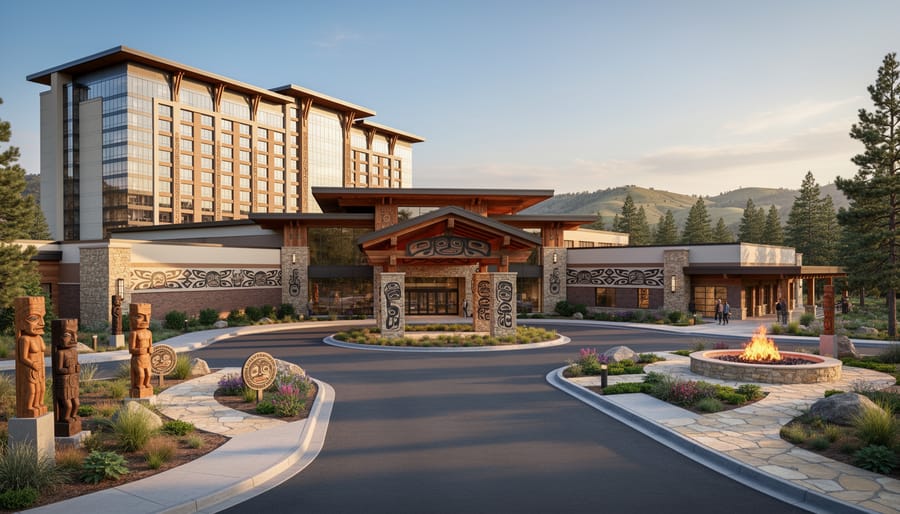
The legal foundation for Indigenous gaming operations stems from tribal sovereignty, a principle recognizing Native American tribes as distinct governmental entities with rights to self-governance. This sovereignty, affirmed through treaties and federal legislation, created a unique opportunity for economic development when the Indian Gaming Regulatory Act (IGRA) was passed in 1988. The landmark legislation established the framework for tribes to operate gaming facilities on their lands, categorizing games into three classes and outlining regulatory responsibilities shared between tribes, states, and the federal government.
The impact has been transformative. Gaming revenue has enabled tribes to fund essential services including healthcare, education, housing, and infrastructure that were previously inadequate or nonexistent. Many communities that once faced unemployment rates exceeding 50 percent now provide thousands of jobs to both tribal members and surrounding populations. This economic engine has funded cultural preservation programs, language revitalization efforts, and scholarships for Native youth.
Today, tribal gaming generates over $40 billion annually across more than 500 facilities nationwide. What began as modest bingo halls has evolved into world-class resort destinations featuring luxury accommodations, championship golf courses, concert venues, and cutting-edge sportsbooks. These enterprises demonstrate how tribal nations leveraged sovereignty rights into sustainable economic development while maintaining cultural identity and giving back to their communities through revenue sharing and regional economic growth.
The 2018 Supreme Court decision striking down the Professional and Amateur Sports Protection Act (PASPA) fundamentally transformed the gaming landscape for tribal casinos across America. This landmark ruling gave states and tribal nations the authority to offer legal sports betting, creating unprecedented opportunities for Indigenous gaming operations to expand their tourism appeal beyond traditional slot machines and table games.
Tribal casinos moved quickly to capitalize on this new market, investing in state-of-the-art sportsbooks that rival any commercial casino operation. Many venues now feature expansive betting lounges with wall-to-wall high-definition screens, comfortable seating, and full-service bars where guests can wager on everything from NFL games to international soccer matches. The addition of sports betting has proven particularly effective at attracting younger demographics and groups planning weekend getaways around major sporting events like March Madness or the Super Bowl.
For tribal nations, sports betting represents more than just another revenue stream. It has become a powerful tool for extending visitor stays and creating multi-day destination experiences that combine gaming, cultural tourism, dining, and entertainment under one roof.
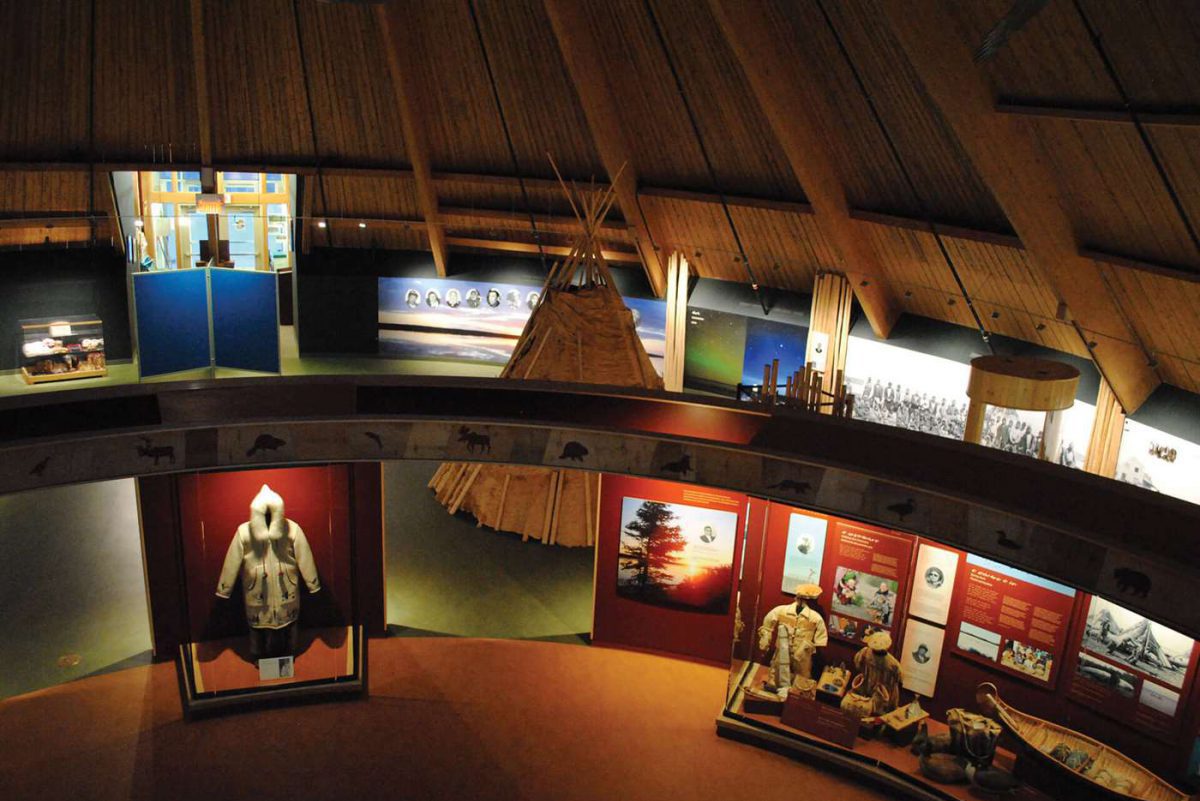
Tribal casinos offer visitors far more than gaming opportunities—they serve as gateways to rich Indigenous cultural traditions and immersive experiences. Many properties feature on-site museums and cultural centers where guests can explore tribal history through authentic artifacts, interactive exhibits, and multimedia presentations that chronicle centuries of heritage.
Art galleries showcasing Indigenous art from local and regional artists are common fixtures, displaying everything from traditional beadwork and pottery to contemporary paintings and sculptures. These spaces provide visitors opportunities to purchase directly from Indigenous creators, supporting local artisans while acquiring meaningful souvenirs.
Culinary experiences at tribal casinos increasingly highlight Native cuisine, with restaurants incorporating traditional ingredients like wild game, indigenous grains, and locally foraged plants into innovative dishes. Some properties offer cooking demonstrations and tasting events that educate guests about the historical and cultural significance of tribal foodways.
Live performances featuring traditional dance, music, and storytelling bring tribal heritage to life, often scheduled around gaming events or as standalone entertainment. Many casinos also host cultural workshops where visitors can learn traditional crafts, participate in drum circles, or engage with tribal elders who share oral histories. These authentic cultural touchpoints transform a casino visit into an educational journey that honors Indigenous heritage while creating memorable experiences that extend well beyond the gaming floor.
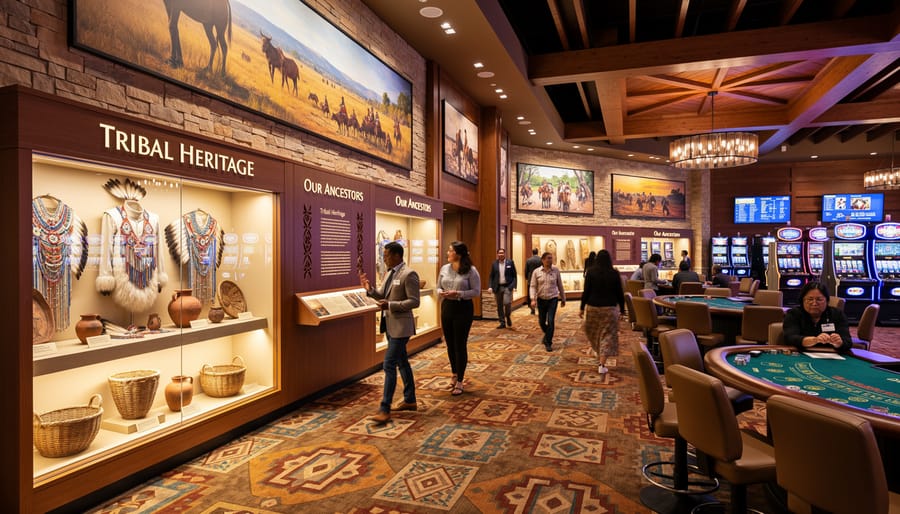
Indigenous casinos operate with a fundamentally different mission than commercial gaming establishments. Gaming revenue flows directly back into tribal communities, funding essential services like healthcare clinics, educational programs, elder care facilities, and housing initiatives. When you place a bet or play a hand at a tribal casino, you’re contributing to scholarships that send tribal youth to college, emergency services that protect rural communities, and cultural preservation programs that keep traditional languages alive.
This community-first philosophy extends to employment practices, with tribal casinos prioritizing hiring from within their nations and surrounding areas. Many properties offer career development programs, apprenticeships, and pathways to management positions for tribal members. The hospitality you experience comes from staff who have a genuine stake in their workplace’s success and their community’s future.
Infrastructure improvements funded by gaming revenue benefit both tribal members and visitors. Modern roadways, upgraded utilities, and enhanced public safety services create better experiences for tourists while dramatically improving quality of life for residents. This reciprocal relationship between gaming operations and community development distinguishes Indigenous casino tourism as a form of travel where your entertainment dollars create lasting, meaningful impact.
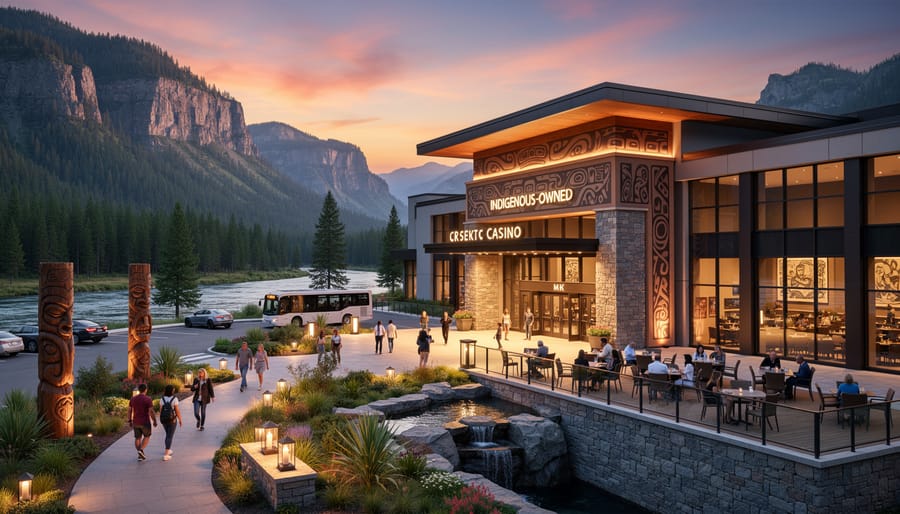
Many tribal casinos benefit from prime locations near stunning natural landscapes, offering visitors a unique opportunity to combine gaming entertainment with outdoor adventures. Properties situated in regions like the Pacific Northwest, the Southwest, and mountain territories provide access to hiking trails, scenic vistas, and wildlife viewing alongside world-class casino facilities. Visitors can spend mornings exploring national parks or engaging in activities like fishing, golfing, or skiing, then enjoy evening entertainment at the casino. This dual appeal attracts travelers seeking diverse experiences beyond traditional gaming destinations. The combination of cultural tourism, natural beauty, and modern amenities creates compelling multi-day vacation packages that showcase both Indigenous hospitality and the surrounding environment’s splendor.
The Northeast and Midwest regions host some of the most impressive Indigenous gaming destinations in North America, with Connecticut’s Mohegan Sun and Foxwoods Resort Casino leading the way. These sister properties of the Mohegan and Mashantucket Pequot tribes respectively offer world-class sportsbooks alongside their extensive casino floors, luxury accommodations, and entertainment venues. Mohegan Sun’s sportsbook features stadium-style seating, massive video walls, and betting windows handling everything from NFL games to international soccer matches.
Foxwoods complements its gaming with cultural experiences at the Mashantucket Pequot Museum, allowing visitors to connect with tribal heritage between placing wagers. In the Midwest, properties like Potawatomi Hotel & Casino in Milwaukee and Hard Rock Cincinnati operated by Forest County Potawatomi Community have emerged as regional sports betting hubs. These venues combine the convenience of urban locations with comprehensive sports wagering options covering professional leagues, college athletics, and special events. The success of these Northeastern and Midwestern operations demonstrates how tribal gaming enterprises have evolved beyond traditional casino offerings to become full-service entertainment destinations that rival any commercial gaming facility in amenities and technology.
The western United States hosts some of the nation’s most impressive tribal gaming destinations, with California leading the pack with over 60 tribal casinos. Pechanga Resort Casino in Temecula stands as one of the largest resort casinos in California, featuring 200,000 square feet of gaming space, championship golf courses, and a luxurious spa. In the San Diego area, Viejas Casino & Resort and Sycuan Casino Resort offer comprehensive entertainment complexes with multiple dining venues, concert halls, and extensive sports betting lounges.
Oklahoma’s tribal gaming industry has experienced explosive growth, with WinStar World Casino and Resort near the Texas border ranking among the world’s largest casinos. The property spans 600,000 square feet and attracts millions of visitors annually. Choctaw Casino & Resort in Durant provides another major destination with full-service amenities including an 18-hole golf course and indoor water park.
Arizona’s tribal casinos, such as Talking Stick Resort and Casino Arizna, combine Sonoran Desert landscapes with world-class gaming facilities. These western properties typically feature dedicated sportsbooks with state-of-the-art technology, comfortable viewing areas, and knowledgeable staff to assist both novice and experienced bettors.
While major destinations often dominate tourism discussions, several emerging Indigenous gaming markets are carving out distinctive niches in the sports betting landscape. These regional gems offer authentic experiences often without the crowds of larger resorts.
The Pacific Northwest continues to expand its offerings, with smaller tribal casinos in Oregon and Washington introducing comprehensive sportsbooks that complement their intimate gaming floors. These venues frequently provide more personalized service and closer connections to local tribal culture than their larger counterparts.
In the Midwest, several Oklahoma tribal nations have transformed modest gaming operations into competitive sports betting destinations. The Chickasaw Nation’s properties throughout southern Oklahoma now feature state-of-the-art sportsbooks, while the Choctaw Nation has invested heavily in technology that rivals Las Vegas offerings.
The Great Plains region presents intriguing opportunities as well. South Dakota’s tribal casinos near the Black Hills combine sports betting with access to spectacular natural landscapes and rich Native American heritage sites. Similarly, tribal gaming facilities in New Mexico are integrating sports wagering into properties that already attract visitors seeking Southwestern culture and cuisine.
What distinguishes these emerging markets is their focus on intimate, culturally-grounded experiences rather than overwhelming scale. Visitors often discover that smaller Indigenous gaming destinations provide superior customer service, unique dining options featuring regional indigenous ingredients, and genuine cultural programming that larger resorts struggle to replicate. These properties represent the future of diversified Indigenous gaming tourism.
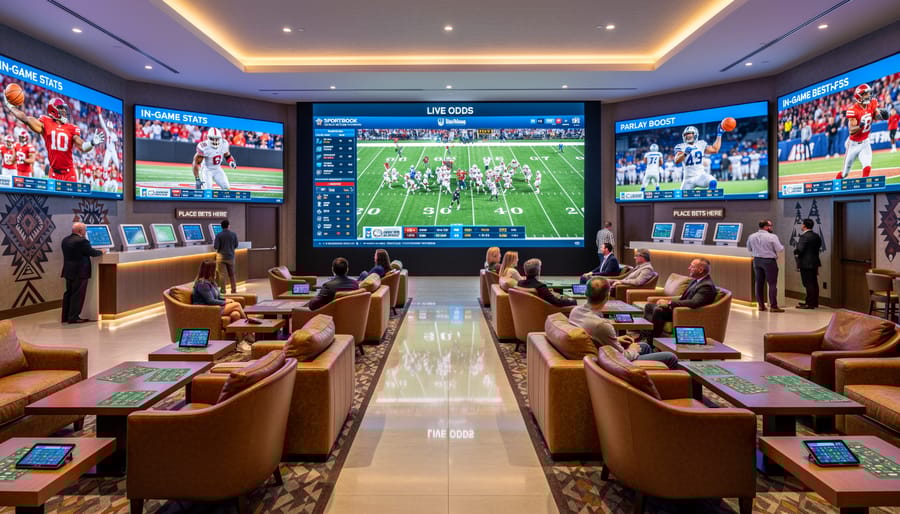
Indigenous casinos have invested significantly in cutting-edge sportsbook facilities that rival those found in major gaming destinations. Modern tribal venues feature expansive sportsbook lounges with theater-style seating, high-definition video walls spanning dozens of feet, and individual betting stations equipped with the latest technology.
These state-of-the-art spaces typically include multiple betting kiosks where guests can quickly place wagers without waiting in line, alongside traditional betting windows staffed by knowledgeable personnel who can assist with more complex bets. The lounges themselves are designed for comfort during extended viewing sessions, featuring plush seating, convenient food and beverage service, and optimal sightlines to multiple screens displaying simultaneous sporting events.
Many tribal sportsbooks have developed proprietary mobile applications that allow guests to place bets from anywhere on the casino property, whether at a slot machine, restaurant, or poolside. These apps often include features like live odds updates, betting tutorials, and account management tools. The integration of mobile technology means visitors can seamlessly transition between different areas of the resort while staying connected to their wagers.
Advanced audio-visual technology enhances the viewing experience, with surround sound systems and 4K displays creating an immersive atmosphere that brings guests closer to the action, whether watching major league championships or international sporting competitions.
Tribal sportsbooks have significantly expanded their offerings to compete directly with established commercial operators, providing comprehensive betting experiences that attract both casual and serious bettors. Most Indigenous casino sportsbooks cover all major professional leagues including NFL, NBA, MLB, and NHL, along with college sports where legally permitted. Many have also expanded into international markets, offering lines on soccer leagues, tennis, golf, UFC, and esports.
The betting types available at tribal sportsbooks mirror what visitors find at top commercial operations. Standard options include moneyline bets, point spreads, over/unders, parlays, teasers, and prop bets. Live in-game betting has become increasingly prevalent, with many tribal facilities investing in advanced technology platforms that allow real-time wagering on ongoing events through mobile apps and kiosks throughout the casino floor.
Competitive positioning on odds and promotions represents a key strategy for tribal sportsbooks. Many offer comparable or better lines than their commercial counterparts, leveraging lower overhead costs and integrated resort operations to provide enhanced value. Sign-up bonuses, deposit matches, risk-free bets, and loyalty rewards programs designed to attract and retain customers are standard features.
Some tribal operations have partnered with established sports betting technology providers to ensure their platforms remain competitive, while others have developed proprietary systems. The combination of competitive odds, diverse betting markets, and the broader resort amenities creates a compelling value proposition that differentiates tribal sportsbooks in an increasingly crowded marketplace.
Many Indigenous casinos offer comprehensive package deals that bundle accommodations, dining credits, and gaming promotions. These packages often provide better value than booking components separately, with midweek stays typically offering the most competitive rates. Some properties include spa treatments, golf access, or cultural experiences in their premium packages.
Transportation options vary by location. Properties near major cities may offer complimentary shuttle services from airports or nearby hotels. For more remote destinations, rental cars provide flexibility to explore surrounding tribal lands and attractions. Some casinos coordinate group transportation for special events like major sporting tournaments or championship fights.
Seasonal considerations play an important role in planning. Summer and holiday weekends see peak crowds and higher rates, while shoulder seasons offer quieter gaming floors and discounted packages. Spring and fall provide ideal weather for outdoor activities many properties offer. Major sporting events like March Madness or football season create elevated energy in sportsbooks but require advance reservations. Winter visits to northern locations should account for potential weather delays. Booking directly through casino websites often yields exclusive promotions and loyalty program benefits unavailable through third-party travel sites.
A visit to an Indigenous casino offers far more than gaming opportunities. Many properties feature on-site cultural centers where visitors can learn about tribal history, view traditional artwork, and participate in educational programs. These centers provide valuable context about the communities you’re visiting and their contributions to the region.
Dining options at Indigenous casinos frequently showcase Native American cuisine alongside contemporary fare. Look for restaurants featuring traditional dishes like frybread, wild game, and indigenous ingredients prepared by skilled chefs. Many venues also host award-winning steakhouses and international dining concepts.
Entertainment extends beyond the gaming floor with concert venues hosting national touring acts, comedy clubs, and theatrical performances. Some properties offer Indigenous cultural experiences including powwows, traditional dance demonstrations, and craft workshops where guests can learn beadwork or basket weaving techniques.
Take advantage of your trip by exploring nearby attractions. Many tribal casinos are located near natural landmarks, hiking trails, or historical sites significant to Indigenous peoples. Some properties offer guided tours of ancestral lands or fishing and hunting expeditions led by tribal members.
Plan extra time to visit tribal museums, heritage sites, or artisan markets where you can purchase authentic handmade goods directly from Native artists. This comprehensive approach enriches your visit while supporting Indigenous communities and cultural preservation efforts.
Gaming tourism has become a transformative economic force for Indigenous communities across North America, generating billions in annual revenue that flows directly into tribal economies. These enterprises create thousands of jobs for both tribal members and surrounding communities, offering competitive wages and comprehensive benefits that were previously unavailable in many rural and reservation areas. The employment opportunities extend beyond gaming floors to include hospitality management, entertainment production, food service, and professional services.
The financial benefits ripple throughout entire communities, funding critical infrastructure improvements, healthcare facilities, educational programs, and elder care services. Many tribes have used gaming revenue to build modern schools, establish scholarship programs, and revitalize traditional language instruction. This economic independence allows tribes to exercise greater self-determination and reduce reliance on federal assistance programs.
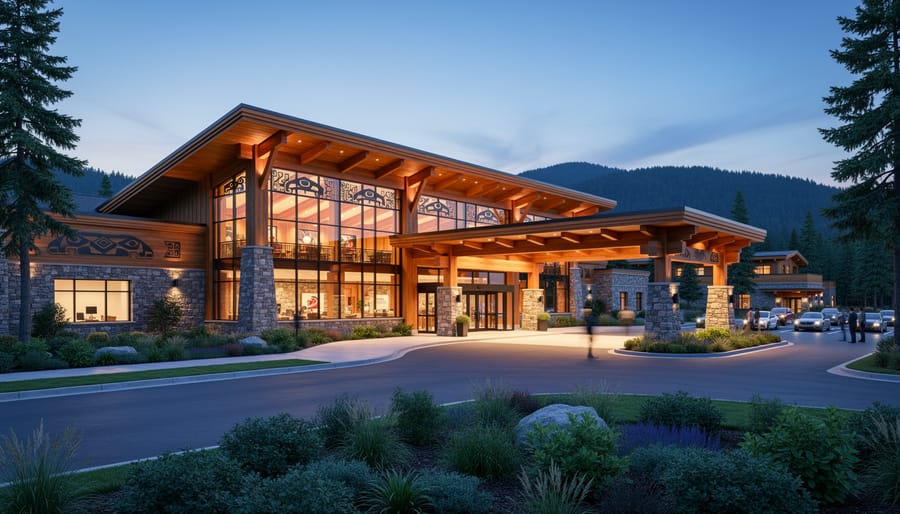
Beyond immediate financial gains, supporting Indigenous communities through gaming tourism enables cultural preservation and celebration. Revenue supports cultural centers, museums, and heritage programs that document and share traditional knowledge with future generations. Many casinos incorporate traditional architecture, showcase Indigenous art, and host cultural events that educate visitors about tribal history and contemporary Indigenous life.
The transformation extends to community wellbeing, with gaming profits funding substance abuse treatment programs, mental health services, and youth development initiatives. Some tribes have established their own police forces, fire departments, and emergency services, dramatically improving public safety and response times.
However, success varies significantly between tribes depending on location, market access, and management capabilities. While some communities have achieved remarkable prosperity, others face ongoing challenges in leveraging gaming revenue for sustainable development. The most successful operations balance profit generation with cultural integrity, ensuring that economic growth strengthens rather than dilutes traditional values and community bonds. This careful balance demonstrates that gaming tourism can serve as both an economic engine and a platform for cultural resilience.
Indigenous casino and sports betting tourism represents a distinctive intersection of authentic cultural experiences, world-class gaming facilities, and sovereign economic development. These destinations offer visitors far more than conventional casinos, combining competitive sports betting markets with immersive cultural programming, exceptional hospitality rooted in tribal traditions, and stunning natural settings that reflect each nation’s ancestral lands.
As tribal sports betting continues expanding across the United States, particularly with the integration of mobile wagering platforms and strategic partnerships with major operators, these venues are positioned to capture growing market share while maintaining their commitment to cultural preservation and community reinvestment. The revenue generated directly supports tribal education, healthcare, infrastructure, and cultural programs, making every visit a contribution to Indigenous sovereignty and self-determination.
Whether you’re drawn to the championship golf courses of the Southwest, the entertainment spectacles of Connecticut, or the emerging sports betting markets in new jurisdictions, Indigenous gaming destinations deliver unmatched value and authenticity. Plan your visit to experience firsthand how these nations have transformed their gaming enterprises into premier tourism destinations that honor tradition while embracing innovation.