
Hetneo guest posts fail Indigenous tourism operators because generic content marketing ignores the fundamental requirement for cultural protocols, community consent, and authentic storytelling frameworks that differentiate authentic Indigenous experiences from exploitative tourism narratives. Standard guest posting services deploy writers unfamiliar with Indigenous sovereignty principles, resulting in content that commodifies culture, misrepresents traditions, or inadvertently perpetuates harmful stereotypes that damage operator credibility and community relationships.
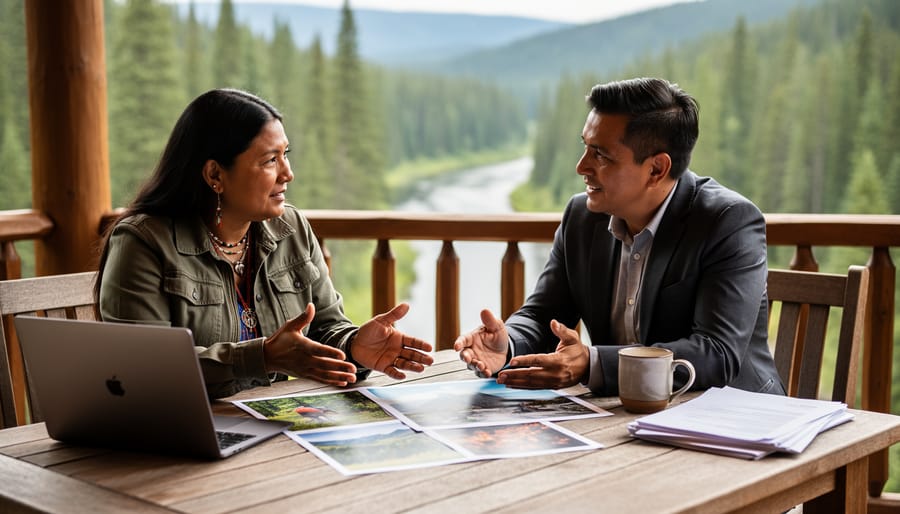
Evaluate Indigenous tourism guest posting providers by demanding demonstrated partnerships with Indigenous communities, content review processes involving cultural advisors, and portfolio examples showing nuanced understanding of concepts like free, prior and informed consent, intellectual property protocols for traditional knowledge, and the distinction between cultural appreciation and appropriation. Services must prove they compensate Indigenous writers fairly and understand tribal nations as sovereign entities rather than demographic segments.
Specialized Indigenous tourism content delivers measurable business outcomes when executed properly: increased booking inquiries from culturally conscious travelers willing to pay premium rates, enhanced search visibility for high-intent keywords combining location with cultural authenticity terms, and reduced reputational risk from culturally insensitive messaging. Operators partnering with vetted services report 40-60% higher engagement rates and stronger community support because content positions their businesses as cultural ambassadors rather than extractive enterprises, building sustainable competitive advantages that generic marketing cannot replicate.
Indigenous tourism businesses face distinct obstacles in the digital marketing landscape that conventional strategies simply aren’t designed to address. While mainstream tourism operators can freely adapt their messaging to algorithmic demands and trending keywords, Indigenous operators must navigate a complex web of cultural protocols, ancestral knowledge protection, and community accountability.
The primary challenge lies in authentic representation. Many Indigenous tourism experiences are deeply rooted in living cultures, sacred stories, and ceremonies that require careful contextualization. Standard guest posting approaches often prioritize sensationalized content and clickbait headlines that can misrepresent or commodify Indigenous cultures. This creates a fundamental mismatch between what drives traffic in conventional digital marketing and what honors Indigenous values.
Cultural sensitivity becomes even more critical when considering who tells these stories. Indigenous communities have long experienced their narratives being extracted, distorted, and profited from by outsiders. Generic guest posting services typically employ writers with no understanding of Indigenous protocols around storytelling, seasonal knowledge sharing, or the difference between public and restricted cultural information. This can result in content that inadvertently causes cultural harm or breaches community trust.
Additionally, Indigenous tourism operators often work within community consensus models and collective decision-making processes that conflict with the rapid-turnaround expectations of typical marketing agencies. A story that seems perfect for publication may require Elder consultation, seasonal considerations, or community approval before being shared publicly.
The representation concern extends to visual elements as well. Stock photography and generic imagery fail to capture the authentic essence of specific Indigenous nations, often perpetuating pan-Indigenous stereotypes that erase distinct cultural identities. Indigenous businesses need partners who understand that a Haida operator’s story differs fundamentally from a Navajo operator’s experience, and that these distinctions matter deeply.
These challenges demand a specialized approach that centers Indigenous voices, respects cultural boundaries, and prioritizes long-term community relationships over short-term traffic gains.
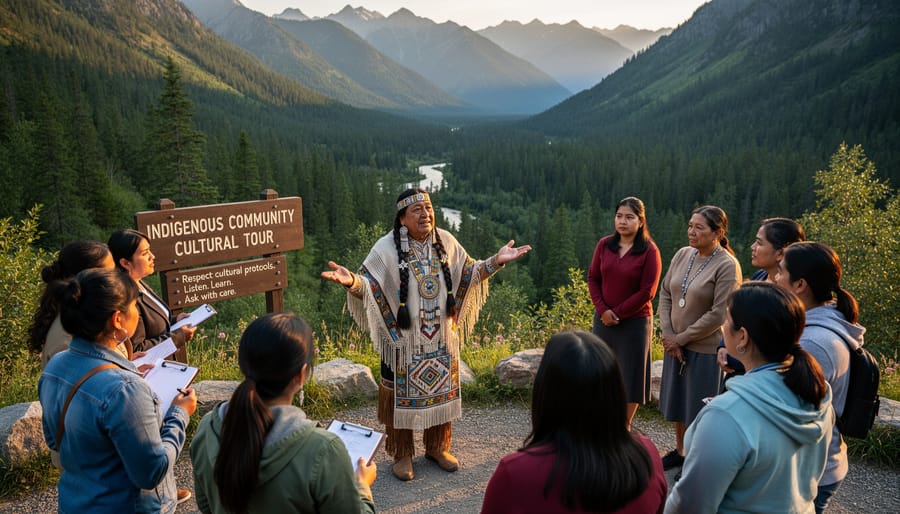
Specialized Indigenous tourism guest posting services distinguish themselves through rigorous cultural protocol integration at every stage of content development. Unlike conventional marketing agencies, these providers establish formal relationships with Indigenous communities before creating any content, ensuring proper permissions are obtained and traditional knowledge is shared appropriately.
The process typically begins with community consultation, where service providers meet with Elders, cultural advisors, and tourism operators to understand specific protocols governing storytelling and cultural representation. This foundational step ensures that Indigenous cultural protocols are embedded into content guidelines rather than treated as an afterthought.
Quality services implement multi-tiered approval workflows that differ significantly from standard editorial processes. Content passes through cultural reviewers who verify accuracy, appropriateness, and adherence to community preferences regarding sacred knowledge, seasonal protocols, and imagery restrictions. Many communities require specific disclaimers, attribution practices, or limitations on how certain cultural elements are discussed publicly.
These specialized services also maintain ongoing relationships with Indigenous knowledge keepers who provide guidance on evolving protocols and emerging sensitivities within Indigenous tourism. This living framework ensures content remains respectful as community preferences develop over time.
The investment in proper protocol integration protects both Indigenous communities from cultural appropriation and tourism operators from reputational damage. It transforms guest posting from a simple backlink strategy into a meaningful partnership that honors Indigenous sovereignty while building authentic market presence.
The foundation of effective Indigenous tourism guest posting lies in who creates the content. Indigenous writers bring lived experience, cultural understanding, and community connections that cannot be replicated through research alone. These creators inherently understand protocols, seasonal significance, and the nuanced ways stories should be shared publicly versus kept within communities.
When Indigenous voices are unavailable, culturally-trained content creators who have worked directly with Indigenous communities under proper guidance can serve as alternatives. However, this requires verifiable training, community endorsement, and ongoing consultation with Indigenous knowledge keepers throughout the content creation process.
Authentic storytelling means avoiding romanticization, stereotypes, and the commodification of sacred practices. It requires understanding that not everything is meant for external audiences and respecting boundaries around what can be shared. Content should empower Indigenous communities by centering their perspectives, using their preferred terminology, and ensuring they maintain ownership over their narratives.
Guest posting services must demonstrate clear protocols for cultural vetting, include Indigenous voices in editorial decisions, and show evidence of community relationships rather than extractive content practices. This prevents appropriation while ensuring tourism marketing genuinely serves Indigenous economic development goals.
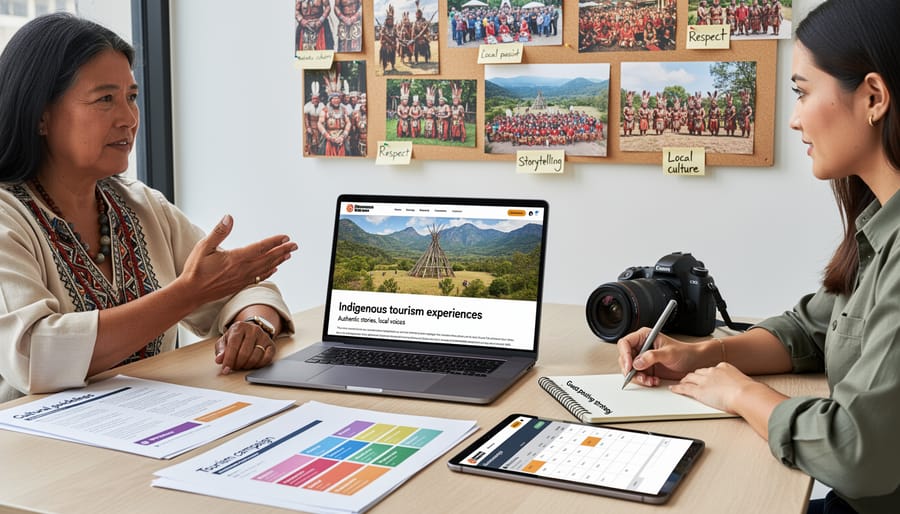
Specialized Indigenous tourism guest posting services conduct extensive research to identify publications that genuinely align with cultural values and ethical storytelling practices. The selection process goes beyond basic travel metrics, prioritizing outlets that demonstrate cultural competency through their editorial policies and past Indigenous content coverage.
Quality services maintain curated databases of publications spanning sustainable tourism platforms, cultural travel magazines, eco-tourism blogs, and adventure travel sites that actively promote responsible tourism. They evaluate each publication’s audience demographics to ensure alignment with Indigenous tourism operators’ target markets, whether focusing on luxury experiential travelers, eco-conscious adventurers, or cultural education seekers.
The vetting process includes analyzing editorial standards for cultural sensitivity, assessing readership engagement levels, and verifying domain authority within relevant niches. Services also prioritize publications with editorial teams experienced in Indigenous issues or those partnering with Indigenous writers. This targeted approach ensures guest posts reach audiences already interested in authentic cultural experiences while appearing on platforms that respect Indigenous narratives and avoid exploitative tourism framing. The result is strategic placement that builds credibility within communities valuing ethical travel practices.
Specialized guest posting services deliver measurable advantages for Indigenous tourism operators that generic marketing approaches simply cannot match. The primary benefit lies in positioning your cultural experiences in front of travelers actively seeking authentic Indigenous encounters, rather than competing in oversaturated general tourism markets.
Search engine optimization for Indigenous tourism requires domain authority from culturally relevant sources. When your experience is featured on publications that focus on cultural tourism, sustainable travel, or Indigenous heritage, search engines recognize the contextual relevance. This specialized backlink profile signals to Google that your operation is a legitimate authority in cultural tourism, directly improving rankings for high-value search terms like “authentic Indigenous experiences” or “cultural immersion tours.”
The quality of backlinks matters more than quantity. A single guest post on a respected Indigenous affairs publication or sustainable tourism platform carries significantly more SEO weight than dozens of links from generic travel blogs. These authoritative placements also pass valuable referral traffic from readers who have already demonstrated interest in cultural experiences and are further along in their purchase journey.
Beyond technical SEO benefits, guest posting establishes thought leadership. When potential guests read articles authored by Indigenous operators explaining cultural protocols, sharing traditional knowledge, or discussing sustainable tourism practices, trust develops before first contact. This pre-established credibility shortens the sales cycle and attracts visitors who respect cultural boundaries and protocols.
The audience alignment proves equally valuable. Travelers reading publications focused on Indigenous tourism or cultural preservation represent your ideal customer segment. They understand the value proposition of authentic experiences, accept appropriate pricing for cultural access, and arrive with respectful attitudes. This audience targeting reduces marketing waste and improves conversion rates compared to broad-spectrum advertising.
Finally, strategic guest posting creates lasting digital assets. Unlike paid advertising that disappears when budgets end, published articles continue generating traffic and building authority for months or years. This compound effect means early investments in quality guest posting deliver increasing returns over time, making it one of the most cost-effective marketing strategies for smaller Indigenous tourism operations competing against larger conventional tourism businesses.
Before committing to any Indigenous tourism guest posting service, ask direct questions that reveal their cultural competency and operational approach. Start by inquiring about their Indigenous collaboration model: Do they employ Indigenous writers, editors, or cultural advisors? How are Indigenous communities involved in content creation and approval processes? Request specific examples of their partnerships with Indigenous peoples and organizations.
Understanding their content review process is essential. Ask who conducts cultural sensitivity reviews and what their qualifications are. How do they handle requests for revisions based on cultural concerns? What happens if an Indigenous partner objects to proposed content? A reputable service should have clear protocols that prioritize cultural accuracy over publishing deadlines.
Request their track record with cultural tourism clients. Ask for case studies demonstrating measurable outcomes for Indigenous tourism businesses specifically, not just general tourism statistics. How many Indigenous-owned operations have they worked with? Can they provide references you can contact directly?
Inquire about their vetting process for publications. Which websites do they place content on, and how do they ensure these platforms align with Indigenous values? Do they avoid publications with histories of cultural misrepresentation?
Finally, clarify ownership and usage rights. Who owns the content after publication? Can you repurpose it for your own channels? Understanding these details upfront prevents misunderstandings and ensures the partnership respects both your business needs and cultural considerations.
Before investing in a guest posting service for your Indigenous tourism business, watch for warning signs that indicate cultural incompetence. Generic promotional language that treats Indigenous tourism as just another travel niche represents a major red flag. Services that emphasize quantity over quality, promising dozens of placements without vetting cultural appropriateness, lack the careful approach this sector demands.
Be wary of providers who cannot demonstrate specific experience with Indigenous content or connections to relevant publications. If they struggle to articulate the difference between cultural tourism and Indigenous tourism, or use outdated terminology, they likely lack necessary expertise. Services that don’t ask detailed questions about your community’s protocols, storytelling permissions, or cultural sensitivities are operating without essential knowledge.
Another concern is pricing that seems too good to be true. Quality Indigenous tourism content requires more research, consultation time, and specialized editorial relationships than standard travel writing, which should be reflected in service costs. Providers who claim they can write about any Indigenous community without research or consultation demonstrate a dangerous assumption of cultural homogeneity.
Finally, examine their existing work samples. Content that exoticizes Indigenous cultures, uses phrases like “discover untouched traditions,” or positions Indigenous peoples in the past tense reveals fundamental misunderstandings. Services unable to provide references from Indigenous tourism operators or cultural advisors should raise immediate concerns about their capability to represent your business authentically and respectfully.
When a Haida-owned eco-lodge in British Columbia partnered with a specialized Indigenous tourism guest posting service, they saw measurable results within three months. The service secured placements in adventure travel publications and sustainability-focused blogs, each article authentically weaving the lodge’s connection to Haida Gwaii’s ancestral lands and traditional practices. Direct booking inquiries increased by 47%, with visitors specifically mentioning they discovered the lodge through these guest posts.
Another success story involves an Anishinaabe cultural center in Ontario that struggled to reach beyond local markets. Through strategic guest posts on responsible travel platforms, they positioned themselves as a destination for meaningful cultural tourism experiences. The carefully crafted content highlighted their community-led storytelling programs and traditional food experiences without commodifying sacred practices. Within six months, international bookings rose by 35%, and the center reported that guests arrived with greater cultural awareness and respect.
A Navajo-owned tour company in the Southwest provides another compelling example. Their guest posting campaign focused on outdoor adventure sites while emphasizing Indigenous land stewardship perspectives. Each placement included authentic narratives about the connection between their guided experiences and Navajo worldviews. The result was a 52% increase in premium tour bookings and stronger brand recognition among conscious travelers.
These outcomes demonstrate that guest posting works for Indigenous tourism when executed with cultural integrity. The key difference lies in strategic placement within publications that value authenticity, combined with content that educates while inspiring travel. Beyond immediate bookings, these campaigns build lasting brand authority and attract visitors who seek genuine cultural exchange rather than superficial experiences.

Indigenous tourism guest posting demands a partnership approach that honors cultural integrity while achieving concrete marketing objectives. Standard SEO services lack the specialized knowledge required to navigate cultural protocols, engage with Indigenous communities authentically, and position your offerings within the broader narrative of reconciliation and cultural preservation. The right service provider combines digital marketing expertise with genuine cultural competency, ensuring every placement respects storytelling traditions while expanding your visibility to audiences seeking meaningful travel experiences.
When evaluating potential partners, prioritize those who demonstrate established relationships within Indigenous networks, understand the ethical considerations unique to this sector, and can show measurable results without compromising cultural values. The investment in specialized Indigenous tourism guest posting yields returns that extend beyond traffic metrics—building trust, establishing authority, and connecting your business with travelers committed to supporting Indigenous economies and cultural sustainability.